 Rummy.news Editorial Desk
Date: 2026-06-27
Summary: Today’s source scan did not surface a new official rummy order, GST circular, court listing, or company filing that safely supports multiple breaking posts. The publishable brief therefore tracks five verified signals readers can use while the market waits for fresh OGAI, court, tax, and company records.
The News On AIR segment remains a useful official-newsroom video primer for India’s notified online gaming rules. The written items below rely on primary rules, court PDFs, tax sources, advertising standards, and reputable secondary reporting.
1. OGAI records are still the most useful next public signal
What happened: The Promotion and Regulation of Online Gaming Rules, 2026 set out Authority functions around game determination, registration, records, complaints, appeals, directions, and coordination with other authorities.
Why it matters: For rummy readers, a public OGAI determination, registration record, direction, appeal order, or guideline would carry more weight than a platform slogan. Until those records appear, coverage should keep separating official source material from promotional compliance claims.
Source: Promotion and Regulation of Online Gaming Rules, 2026 Gazette PDF, dated 22 April 2026
Source: Promotion and Regulation of Online Gaming Act, 2025 page on MeitY
2. Rummy rules and rummy regulation are different questions
What happened: Basic rummy rules explain sequences, sets, jokers, draw-discard flow, and declarations. Regulatory analysis asks a different set of questions: whether money or stakes are involved, what state law says, whether a central online-gaming record exists, and what the tax position is.
Why it matters: A rules page can help readers understand the game, but it does not answer whether a particular online product is lawful, taxable, registrable, or compliant in a given state.
Source: Rummy Rulebook page on Indian rummy rules
Source: Promotion and Regulation of Online Gaming Rules, 2026 Gazette PDF, dated 22 April 2026
3. State-law risk remains product-specific
What happened: The Supreme Court’s 27 May 2026 Tamil Nadu and Karnataka judgment remains a core source for rummy-specific legal risk because it addressed state laws concerning online rummy and poker played for stakes.
Why it matters: The ruling is a caution against one-line legality claims. A serious source trail should state the product format, whether stakes are involved, the relevant state law, and the central-rule context.
Source: Supreme Court judgment PDF in State of Tamil Nadu v. Junglee Games India, dated 27 May 2026
Source: Economic Times report on the Supreme Court state-law ruling, published 27 May 2026
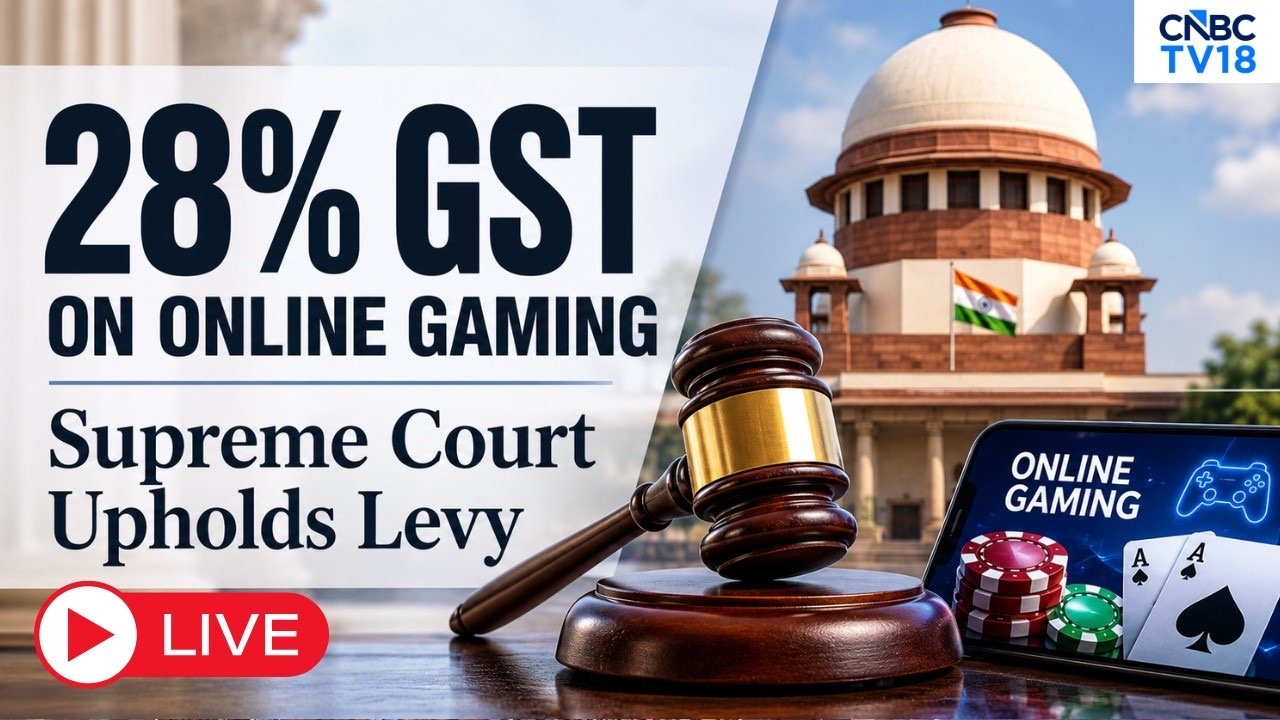
4. GST stories need labels, not only numbers
What happened: The Gameskraft-linked GST judgment and subsequent reporting continue to frame online-gaming tax exposure, including reported sector-scale demand figures.
Why it matters: Readers should check whether a number is a tax demand, an estimate, a demand including penalty or interest, a company-specific figure, or a sector-wide exposure claim. Those labels change the meaning of the story.
Source: Supreme Court judgment PDF in DGGI v. Gameskraft Technologies, dated 27 May 2026
Source: Economic Times report on retrospective GST ruling, published 27 May 2026
5. Advertising checks remain part of responsible coverage
What happened: ASCI’s FY26 annual complaints report identified offshore betting as a major violative advertising category, while India’s post-ban market continues to face trust and compliance scrutiny.
Why it matters: Rummy.news should keep avoiding affiliate-style framing and unsupported claims. Advertising-risk sources help readers understand why neutral, source-led coverage matters.
Source: ASCI Annual Complaints Report 2026 PDF
Source: Business Standard report on ASCI’s FY26 offshore betting ad findings, published 28 May 2026
What to watch next
- Whether MeitY or OGAI publishes determination lists, public registers, appeal orders, directions, or implementation FAQs.
- Whether tax authorities, courts, or company filings clarify post-judgment GST recovery timelines.
- Whether rummy-linked operators change public product language, user-safety disclosures, or litigation updates.
For background, read this with Rummy Rules vs Rummy Regulation: What Readers Should Know, Online Gaming Tax Risk Checklist for News Readers, and Rummy Law Source Trail: What to Check Before Trusting a Claim.
Disclaimer: This article is for news and general information only and is not legal, tax, financial, or investment advice.
FAQ
Why is today’s brief document-led?
Because the current source scan did not support several fresh rummy-specific breaking items, while official and reputable records still provide useful verified signals.
Can a rummy rules source answer a legal question?
No. Rules explain gameplay; legal and tax analysis requires statutes, rules, court records, official registers, and dated source material.
Why include advertising sources in a rummy market brief?
Advertising-risk sources help readers distinguish neutral industry coverage from promotional claims.
Sources
- News On AIR YouTube report on the notified online gaming rules
- Promotion and Regulation of Online Gaming Rules, 2026 Gazette PDF, dated 22 April 2026
- Promotion and Regulation of Online Gaming Act, 2025 page on MeitY
- Rummy Rulebook page on Indian rummy rules
- Supreme Court judgment PDF in State of Tamil Nadu v. Junglee Games India, dated 27 May 2026
- Economic Times report on the Supreme Court state-law ruling, published 27 May 2026
- Supreme Court judgment PDF in DGGI v. Gameskraft Technologies, dated 27 May 2026
- Economic Times report on retrospective GST ruling, published 27 May 2026
- ASCI Annual Complaints Report 2026 PDF
- Business Standard report on ASCI’s FY26 offshore betting ad findings, published 28 May 2026