 Rummy.news Editorial Desk
Last updated: 2026-06-26
Indian rummy coverage is now a source-trail problem. A single phrase such as “game of skill”, “registered”, “legal”, or “tax compliant” does not answer enough questions on its own.
The better editorial method is to check the claim against the right document class: court record, central rule, OGAI record, GST source, company disclosure, or advertising standard. This matters more after the 2026 rules and the Supreme Court’s 27 May 2026 judgments.
The quick source table
| Claim type | Stronger source to check | What it can show | What it cannot prove alone |
|---|---|---|---|
| “Rummy is legal” | Court judgment, state law, central rules | The legal issue actually decided | Universal legality across all states and formats |
| “This game is registered” | OGAI register or certificate | Whether a record exists for a game or provider | Whether every product variant is lawful |
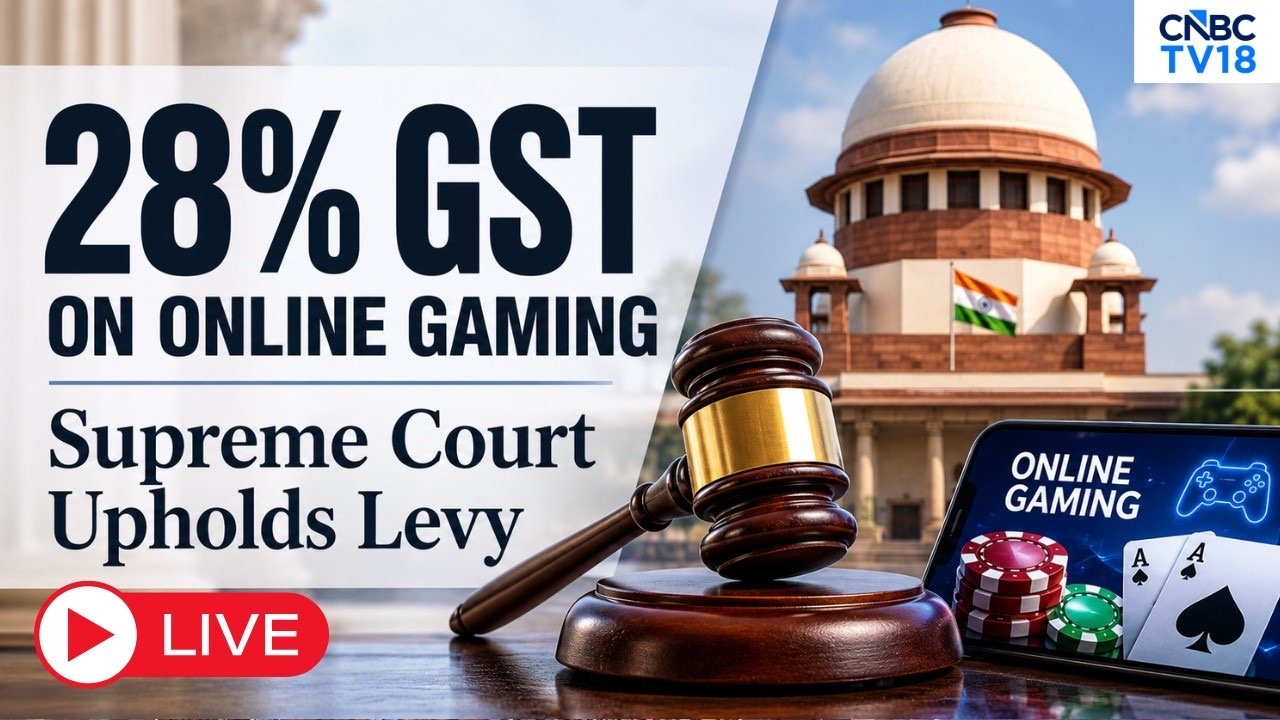
| “GST exposure is settled” | Supreme Court judgment, GST order, company filing | The ruling, demand, or disclosed exposure | Final liability for every company |
| “Users have safeguards” | Rules, operator policy, complaint records | Controls, reporting paths, grievance process | Whether controls work in practice |
| “This is a trusted operator” | Filings, audits, official notices, reputable reports | Public disclosure and documented events | A recommendation to play or deposit |
Start with the product facts
The first question is not whether a brand uses the word rummy. It is what product is being discussed:
- free-play, social, or educational format
- game involving stakes or monetary value
- tournament, points, pool, or deals format
- state in which the product is offered
- whether the claim is about users, operators, advertising, tax, or payment flows
Without product facts, a legal claim can become too broad very quickly.
Match the claim to the right document
Court judgments are strongest for what the court actually decided. Gazette rules are strongest for the regulatory framework. OGAI records, when public, will be strongest for determination, registration, complaints, and appeals. GST documents are strongest for tax treatment, but they do not settle every state-law question.
Company pages and press statements can be useful, but they should be treated as company claims unless backed by filings, official records, or reputable reporting.
Be careful with old shorthand
Rummy’s skill-game history remains relevant, but it should not be used as a shortcut around current questions. The 2026 source trail now includes state law, central rules, online money-game classification, GST treatment, financial transaction controls, advertising standards, and user safeguards.
That does not mean every claim is false. It means a claim needs a document trail before it becomes publishable analysis.
What Rummy.news will use as its baseline
For legal and tax stories, Rummy.news should continue to prioritize:
- Supreme Court and high court records
- Gazette notifications and MeitY documents
- OGAI records, once public
- GST Council, CBIC, DGGI, and court material
- exchange filings and investor presentations
- reputable legal, business, and public-interest reporting
- ASCI reports for advertising-risk context
For broader context, read this with Is Online Rummy Legal in India in 2026?, What Counts as an Online Money Game Under Indian Law?, and GST Source Check: How to Read India’s Online Gaming Tax Fallout.
Disclaimer: This article is for news and general information only and is not legal, tax, financial, or investment advice.
FAQ
Can one court judgment settle every rummy-law claim?
No. A judgment should be read for the issue decided, the facts before the court, and the law being interpreted.
Does GST treatment decide whether a user can play rummy in a state?
No. GST and state gaming law are related industry risks, but they answer different questions.
Why does this guide include advertising standards?
Because unsupported promotional claims can distort how readers understand legality, risk, and user safety.
Sources
- Promotion and Regulation of Online Gaming Rules, 2026 Gazette PDF, dated 22 April 2026
- Promotion and Regulation of Online Gaming Act, 2025 page on MeitY
- Supreme Court judgment PDF in State of Tamil Nadu v. Junglee Games India, dated 27 May 2026
- Supreme Court judgment PDF in DGGI v. Gameskraft Technologies, dated 27 May 2026
- ASCI annual complaints report 2026