 Rummy.news Editorial Desk
Last updated: 2026-06-27
Rummy readers often see two kinds of claims placed next to each other: a gameplay explanation and a legal or compliance statement. They are not the same thing.
Basic rummy rules can explain sequences, sets, jokers, drawing, discarding, and declarations. Regulation asks whether a specific online product involves money or stakes, what state law says, whether the central online-gaming framework has a relevant record, how tax treatment is framed, and whether advertising claims are supportable.
Gameplay rules answer how the game works
A rules source is useful for understanding the game mechanics:
- how a valid sequence is formed
- what counts as a set
- how printed and wild jokers are used
- why declarations can be valid or invalid
- how draw-discard turns work
Those points help readers understand rummy terminology. They do not, by themselves, answer whether a particular online product is legal, taxable, registrable, or safe.
Regulation starts with product facts
For an online product, the first regulatory question is factual: what is being offered?
Readers should look for:
- whether real money, stakes, or winnings are involved
- whether the game is free-play, casual, tournament-style, or otherwise monetised
- where the user is located
- what the platform says in its terms
- whether an official source has made a determination, issued a direction, or published a record
That product-facts step matters because a general rummy explainer cannot settle every app, format, state, or payment model.
State law and central rules sit on different layers
India’s central online gaming framework now gives readers an important document trail: the Promotion and Regulation of Online Gaming Act, 2025 and the 2026 rules. The rules describe the Online Gaming Authority of India’s functions around determination, registration, records, complaints, appeals, directions, and user safeguards.
State-law questions remain separate. The Supreme Court’s 27 May 2026 Tamil Nadu and Karnataka judgment is important because it dealt with state laws targeting online rummy and poker played for stakes. That does not mean a reader should collapse every legal question into a single national answer.
GST is a tax question, not a gameplay rule
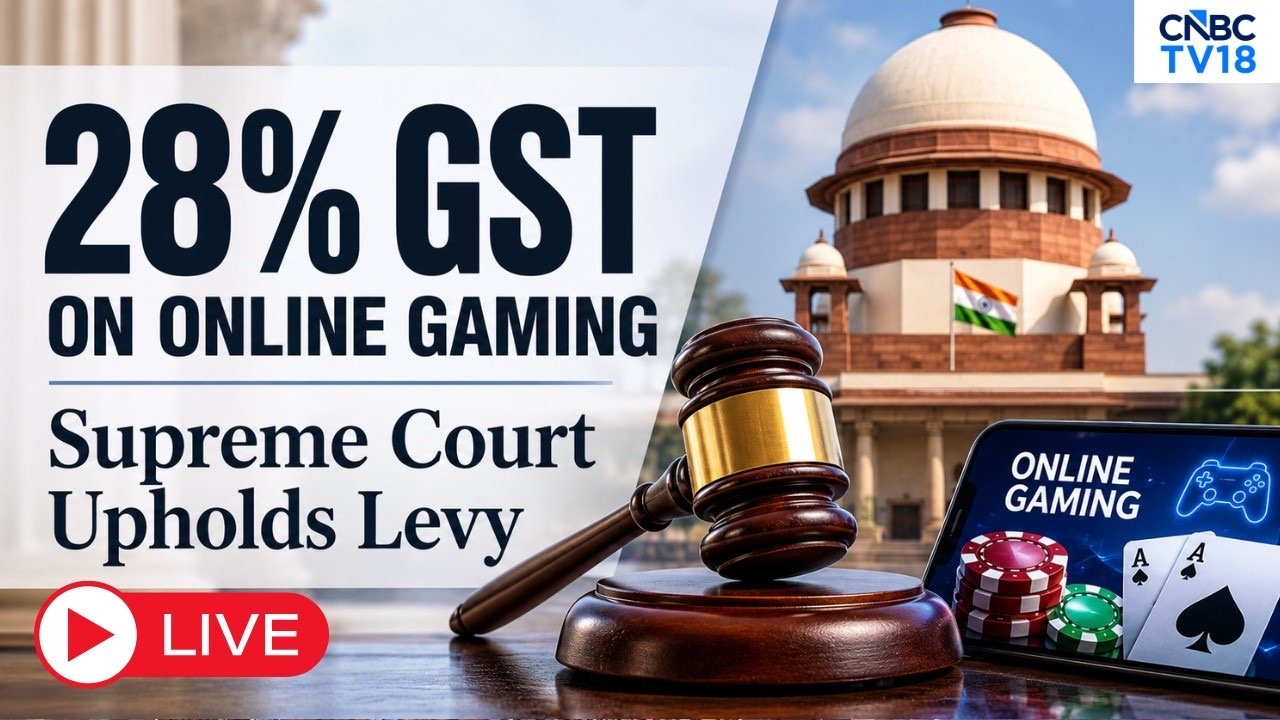
GST coverage also needs its own source trail. The Gameskraft-linked Supreme Court judgment and reputable reporting about online-gaming GST exposure are tax sources. They do not teach rummy rules, and they do not answer every state-law question.
A clear GST story should say what the source is, what date it carries, what figure is being reported, and whether it is a demand, estimate, exposure number, or final payment.
Advertising language should be treated cautiously
Advertising and promotional claims are another layer. ASCI’s FY26 report on violative advertising, including offshore betting ads, is a reminder that confident marketing language can be a poor substitute for official records.
For Rummy.news, that means no app rankings, bonus-led framing, deposit prompts, referral claims, or unsupported legality headlines.
Reader checklist
| Question | Best source type |
|---|---|
| How is the game played? | Rules explainer or neutral gameplay reference |
| Does a product involve money or stakes? | Platform terms, product disclosures, official records |
| What does central regulation say? | Act, Gazette rules, OGAI records, official directions |
| What does state law say? | State statute, court judgment, legal reporting tied to a document |
| What is the GST issue? | GST Council material, court records, tax notices, reputable tax reporting |
| Is an ad claim reliable? | ASCI material, official notices, dated source trail |
Bottom line
A strong rummy story should not use gameplay rules as a shortcut for legal certainty. It should separate the game mechanics from state law, central rules, tax treatment, advertising standards, and user-safety records.
For more background, read Is Online Rummy Legal in India in 2026?, What Counts as an Online Money Game Under Indian Law?, and Rummy Law Source Trail: What to Check Before Trusting a Claim.
Disclaimer: This article is for news and general information only and is not legal, tax, financial, or investment advice.
FAQ
Can a gameplay rule prove online rummy is legal?
No. Gameplay rules explain the game. Legal analysis needs statutes, court records, official rules, state-law context, and product facts.
Why does the stake or money question matter?
Because several legal, regulatory, and tax sources turn on whether money, stakes, deposits, winnings, or financial flows are involved.
Does this article recommend any rummy platform?
No. It is a reader guide for interpreting source claims, not a platform recommendation.
Sources
- Rummy Rulebook page on Indian rummy rules
- Promotion and Regulation of Online Gaming Act, 2025 page on MeitY
- Promotion and Regulation of Online Gaming Rules, 2026 Gazette PDF, dated 22 April 2026
- Supreme Court judgment PDF in State of Tamil Nadu v. Junglee Games India, dated 27 May 2026
- Supreme Court judgment PDF in DGGI v. Gameskraft Technologies, dated 27 May 2026
- ASCI Annual Complaints Report 2026 PDF