 Rummy.news Editorial Desk
India’s online gaming GST story is now in the post-judgment phase, but readers should still be careful about how headlines describe the fallout.
The Supreme Court’s 27 May 2026 Gameskraft-linked judgment is the primary record. Reputable news reports then help readers understand market reaction and potential exposure. The risk is that all of those layers can get collapsed into one oversized claim.
Start with the judgment, then read the headline
The primary source is the Supreme Court judgment in Directorate General of Goods and Services Tax Intelligence and others v. Gameskraft Technologies and connected matters, dated 27 May 2026.
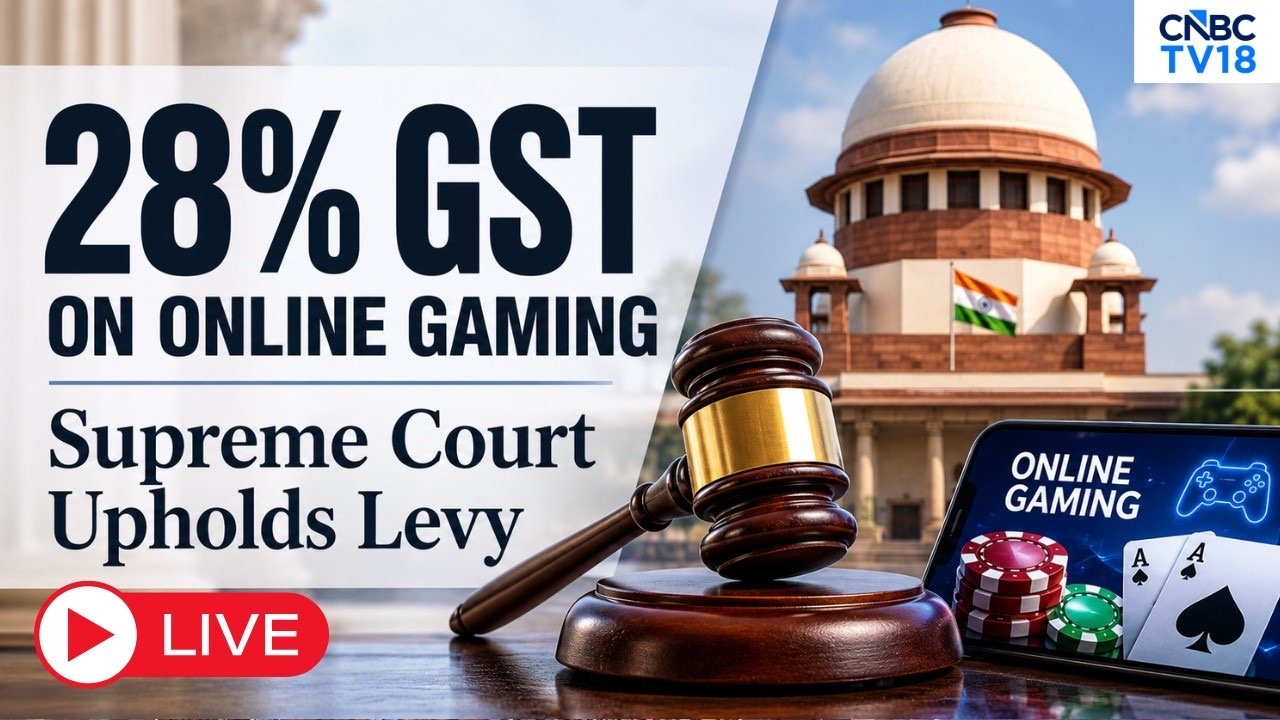
Secondary reports from Economic Times and LiveLaw describe the court as upholding the GST levy on online gaming activities and rejecting key challenges to the tax treatment. Those reports are useful, but they should be read after identifying the court record and the date.
For Rummy.news, this matters because GST stories can quickly become exaggerated or promotional in the wider gaming ecosystem. The cleaner approach is to say what the court record is, what reputable reports say, and what remains a follow-up enforcement or quantification question.
Exposure estimates are not the same as final bills
Reports after the judgment have used large exposure numbers for the online gaming sector. Economic Times reported that the decision shifted attention to how and when demands could crystallise into liabilities. Other reports have referred to larger possible exposure across notices and penalties.
Those numbers are important market signals. They are not all the same thing. A reported sector exposure estimate, a show-cause notice, an adjudicated demand, a company provision, and an amount finally paid are different categories.
That distinction should appear in every careful GST article.
Why rummy readers should care
Rummy-linked operators sit inside the wider online gaming tax debate because the GST question is tied to games involving stakes, platform economics, valuation, and past-period demands.
But the reader takeaway should not be a user-level tax instruction. It should be a risk map:
- the court record has changed the legal baseline for GST coverage
- companies may face follow-up proceedings or quantification
- reported exposure numbers need context
- rummy-sector analysis should separate legal status, tax treatment, and product availability
What to check before sharing a GST claim
Before treating a GST claim as reliable, readers should check:
- Is the claim tied to the 27 May 2026 Supreme Court judgment?
- Does it distinguish the Gameskraft-linked matter from the state-law rummy and poker judgment delivered the same day?
- Does it say whether a number is a reported exposure estimate, a notice amount, an adjudicated demand, or a final liability?
- Does it cite an official court record, a company filing, or a reputable newsroom?
- Does it avoid telling users how to play, deposit, withdraw, or bypass restrictions?
What Rummy.news will track next
The next useful updates are likely to come from court records, company disclosures, GST department actions, or reputable reporting on enforcement timelines. Until then, the editorial position should remain disciplined: report the judgment, explain the risk, and avoid turning uncertainty into advice.
For background, read this alongside What the 28% GST Ruling Means for India’s Online Gaming Industry, Gameskraft GST Case Explained: Why It Matters for Rummy Operators, and Online Gaming GST.
Disclaimer: This article is for news and general information only and is not legal, tax, financial, or investment advice.
FAQ
Is every large GST figure in online gaming coverage the same kind of number?
No. Sector exposure, notices, adjudicated demands, provisions, and final liabilities are different categories.
Does the GST judgment decide whether users can play rummy in a specific state?
No. GST treatment and state-law restrictions are related industry risks, but they are not the same legal question.
Does this article give tax advice to operators or players?
No. It explains source-checking principles for news readers.
Sources
- Supreme Court judgment PDF in DGGI v. Gameskraft Technologies, dated 27 May 2026
- Economic Times report on retrospective GST ruling, published 27 May 2026
- Economic Times report on post-judgment GST exposure questions, published 27 May 2026
- LiveLaw report on Supreme Court upholding GST levy on online gaming activities, published 27 May 2026