 Rummy.news Editorial Desk
India’s online gaming industry is facing one of its most difficult tax moments. The 28% GST framework, combined with retrospective tax demands and court scrutiny, has changed the economics of real-money gaming.
For rummy operators, the issue is especially important because many legacy business models depended on high-volume paid contests, deposits, and winnings. A tax regime applied to the full face value of player deposits can put major pressure on margins.
What happened?
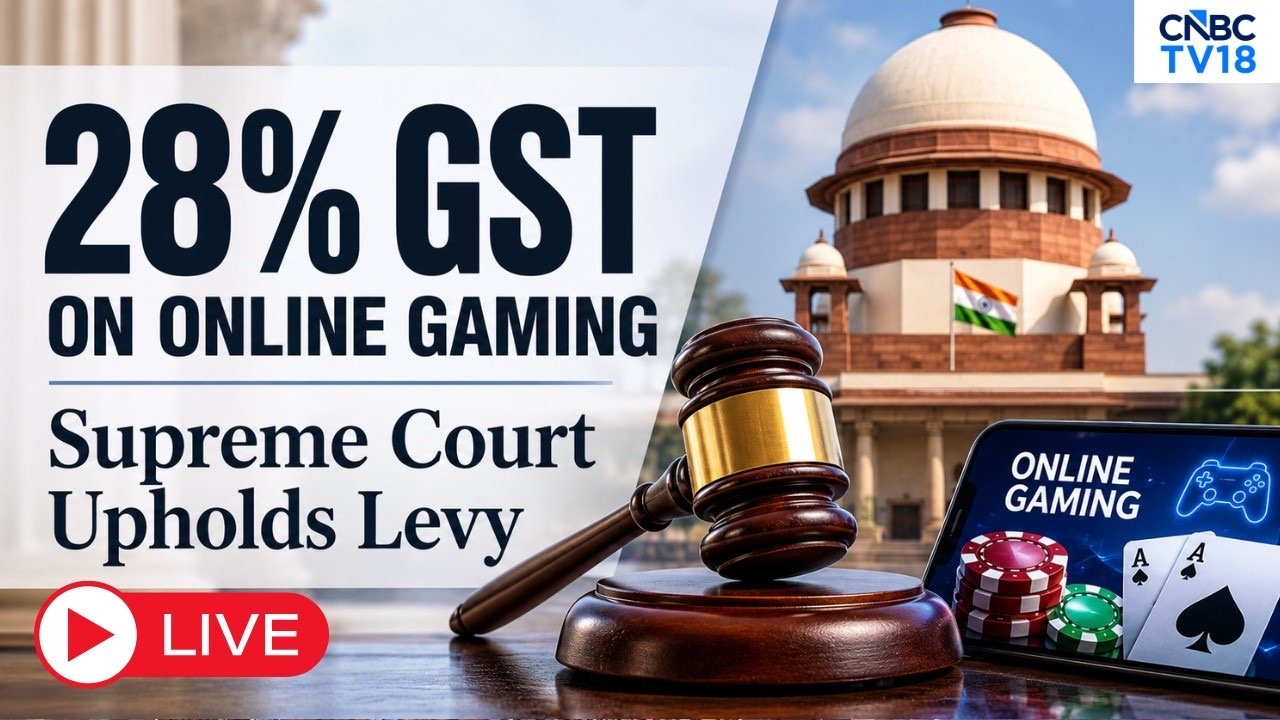
India moved to a 28% GST framework for online gaming, casinos, and horse racing. The tax treatment became controversial because operators argued that taxing the full contest or deposit value could make the business model commercially difficult.
In May 2026, the Supreme Court supported the government’s position on retrospective tax demands, a decision widely seen as a major setback for online gaming companies.
Why the ruling matters
The ruling matters for four reasons.
First, it increases financial pressure on companies facing past tax demands. Second, it changes investor assumptions about real-money gaming. Third, it accelerates the shift toward non-money formats, casual games, esports, and subscription products. Fourth, it makes compliance and legal strategy central to company survival.
Impact on rummy operators
Rummy businesses that relied on real-money games face overlapping pressures:
- Higher tax exposure.
- Reduced marketing flexibility.
- Stricter rules around online money games.
- More caution from payment partners.
- Greater investor scrutiny.
This does not mean every rummy-related business disappears. It does mean the industry has to distinguish between news, social gaming, skill-game products, tournaments, and money-game formats more carefully.
What companies may do next
Operators may respond by:
- Reducing exposure to real-money formats.
- Building free-to-play or social gaming products.
- Expanding into esports, casual games, or international markets.
- Restructuring advertising and payment flows.
- Seeking clarity through litigation or policy engagement.
What readers should watch
Watch for company filings, layoffs, product shutdowns, pivots, funding announcements, GST demand updates, and new government notifications. These signals will show whether the sector is stabilizing or still shrinking.
Bottom line
The 28% GST issue has become a defining event for Indian online gaming. For Rummy.news, it should remain one of the site’s permanent coverage pillars because it affects law, business strategy, market data, and company survival.
Disclaimer: This article is for news and general information only and is not legal, tax, or financial advice.
FAQ
Does the GST ruling ban online rummy?
No. GST is a tax issue, not a direct legality ruling for every rummy format. But it can make real-money gaming business models much harder to operate.
Why is 28% GST controversial?
The controversy centers on whether tax should apply to the full face value of deposits or a smaller platform fee or margin.
Who is most affected?
Real-money gaming operators, investors, payment partners, advertisers, and companies with large past tax demands are most affected.
Sources
- Supreme Court of India: https://www.sci.gov.in/
- GST Council Notification 49/2023-Central Tax: https://gstcouncil.gov.in/node/4404
- Mint coverage of online gaming GST: https://www.livemint.com/
- Bar & Bench GST coverage: https://www.barandbench.com/news/litigation/supreme-court-upholds-28-gst-levy-on-online-gaming-bets-says-skill-chance-irrelevant-if-money-staked