 Rummy.news Editorial Desk
Date: 2026-06-16
Summary: The biggest post-judgment question for India’s online gaming sector is no longer what the Supreme Court held on 27 May 2026. It is what companies, tax authorities, and policymakers do next with that ruling in hand.
The story has moved from principle to recovery
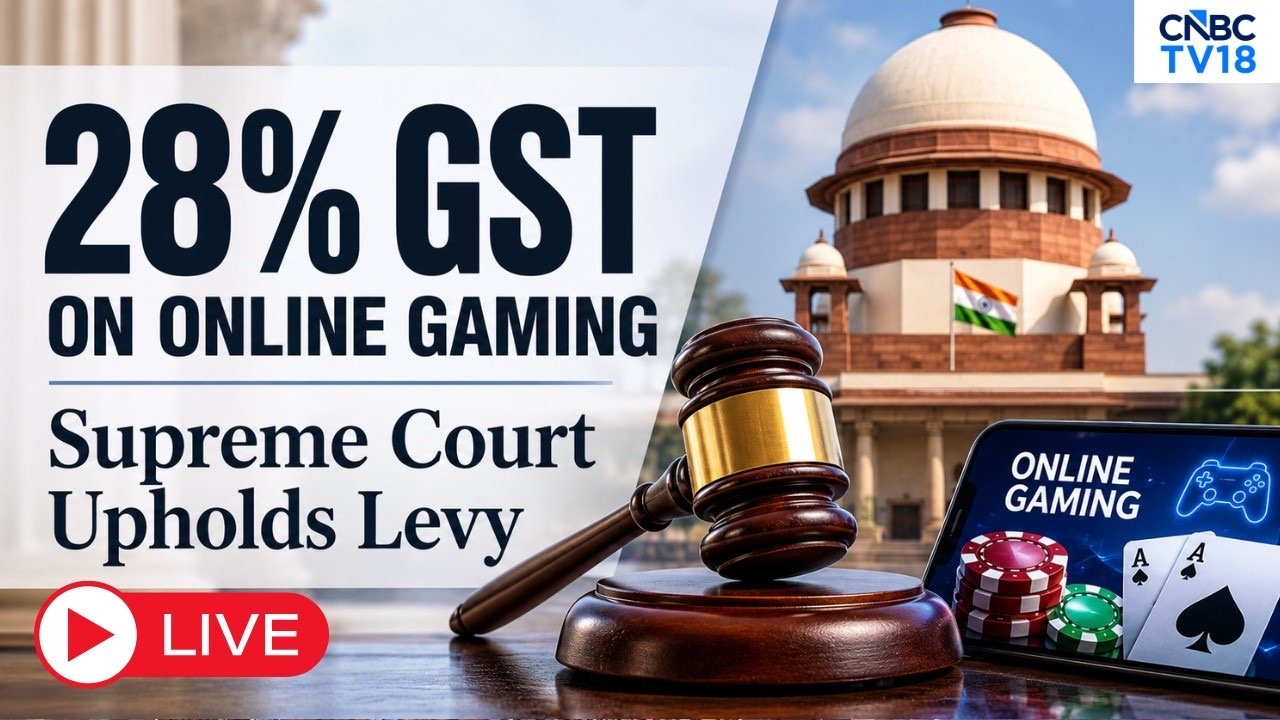
The Supreme Court’s 27 May 2026 GST judgment gave the government a major win in the online gaming tax dispute. Economic Times Wealth reported on 12 June 2026 that the ruling means the full deposit amount placed to play a game is treated as the taxable face value, not just the platform fee retained by the operator.
That matters because the dispute is no longer just an abstract debate over tax theory. It is now about old show-cause notices, cash-flow pressure, timelines, and whether companies can absorb or restructure around those demands.
What firms appear to be weighing
Moneycontrol reported on 28 May 2026 that real-money gaming firms were discussing several response paths after the ruling:
- review petitions before the Supreme Court
- a possible request for the matter to be considered by a larger bench
- administrative or GST Council-level relief
- continued adjudication of pending show-cause notices
Those are not guaranteed solutions. They are signs that the sector is trying to buy clarity, time, or both.
Why adjudication now matters as much as litigation
Moneycontrol’s reporting said several companies still face the slower process of adjudication even after the top-court setback. That makes the next phase highly operational. Readers should watch how tax officers quantify demands, what timelines are used, and whether companies disclose provisioning or restructuring choices.
For rummy-linked businesses, that is a meaningful shift. Tax risk is no longer just something debated by lawyers in principle. It can change hiring, marketing, product scope, and whether a platform continues offering a money-linked format at all.
Where limited relief hopes are still being discussed
Economic Times Wealth reported that industry participants are still discussing whether Section 11A-style rulemaking or another administrative path could soften parts of the recovery picture. That remains reported discussion, not settled policy.
The careful way to read it is this: the judgment was decisive, but the administrative treatment of legacy disputes may still evolve. Until an official notification appears, readers should treat any relief narrative as contingent.
Why this matters beyond one company or one case
The Gameskraft dispute helped make the online gaming GST fight famous, but the aftershock is broader than Gameskraft. The sector now has to deal with:
- the tax base question already answered against it
- the pace and shape of recovery action
- investor and lender confidence
- product pivots away from money-linked formats
That is why this piece should be read alongside What the 28% GST Ruling Means for India’s Online Gaming Industry and Gameskraft GST Case Explained: Why It Matters for Rummy Operators.
What to watch next
- Whether any review petitions are filed and how narrowly they are framed.
- Whether tax authorities begin visibly adjudicating or recovering against major operators.
- Whether the GST Council, CBIC, or Finance Ministry publishes any administrative clarification affecting legacy demands.
Disclaimer: This article is for news and general information only and is not legal, tax, or financial advice.
FAQ
Does a review petition automatically pause GST recovery?
Not necessarily. A review petition is a legal step, but recovery and adjudication questions can still turn on separate administrative decisions.
Is this only a Gameskraft story?
No. Gameskraft is the best-known reference point, but the tax-base question affects the wider sector.
Has the government already announced relief?
No. Some relief paths are still being discussed in reporting, but no new official relaxation is established in the sources used here.