 Rummy.news Editorial Desk
Last updated: 2026-07-10
Summary: The online gaming rules have made “registered”, “determined”, and “recognised” high-stakes words. Readers should not accept those labels without checking the exact public source.
Why this guide matters now
The 2026 rules framework created a public vocabulary for online gaming compliance. PIB’s official explainer says registration is required only where the Central Government notifies a category and for online games intended to be offered as e-sports. It also says online money games are not eligible for recognition or registration as e-sports.
Those distinctions matter for rummy-linked coverage because a broad claim such as “approved”, “registered”, or “compliant” can hide very different facts.
Source: PIB explainer on online gaming governance, 30 April 2026
The four questions to ask
| Claim in the market | What to verify | Better evidence |
|---|---|---|
| The game is registered | Which game, provider, registration number, validity period, and public record? | OGAI certificate or official register entry. |
| The game is determined | Was it determined as an online money game, online social game, or e-sport-linked game? | OGAI determination order or public record. |
| The product is safe for users | Which user-safety features are actually disclosed? | Published age-gating, reporting, grievance, and safety controls. |
| Payments are allowed | Does any rule, order, direction, or bank process support the payment claim? | OGAI direction, payment-facilitation record, or official disclosure. |
What the Gazette rules say to watch
The Gazette rules give the Authority functions that include maintaining and publishing a list of online games determined to be online money games, maintaining a record of games determined or registered, inquiring into complaints, issuing directions or orders, and coordinating with financial institutions and law-enforcement agencies.
The rules also cover user verification, user safety, fair-play standards, cyber security, periodic compliance reporting, transparency, and payment routing or settlement in relation to registered online games.
Source: Promotion and Regulation of Online Gaming Rules, 2026 Gazette PDF
What not to infer
Do not infer that:
- A market forecast proves a game is registered.
- A company says “social game” and therefore no official determination is relevant.
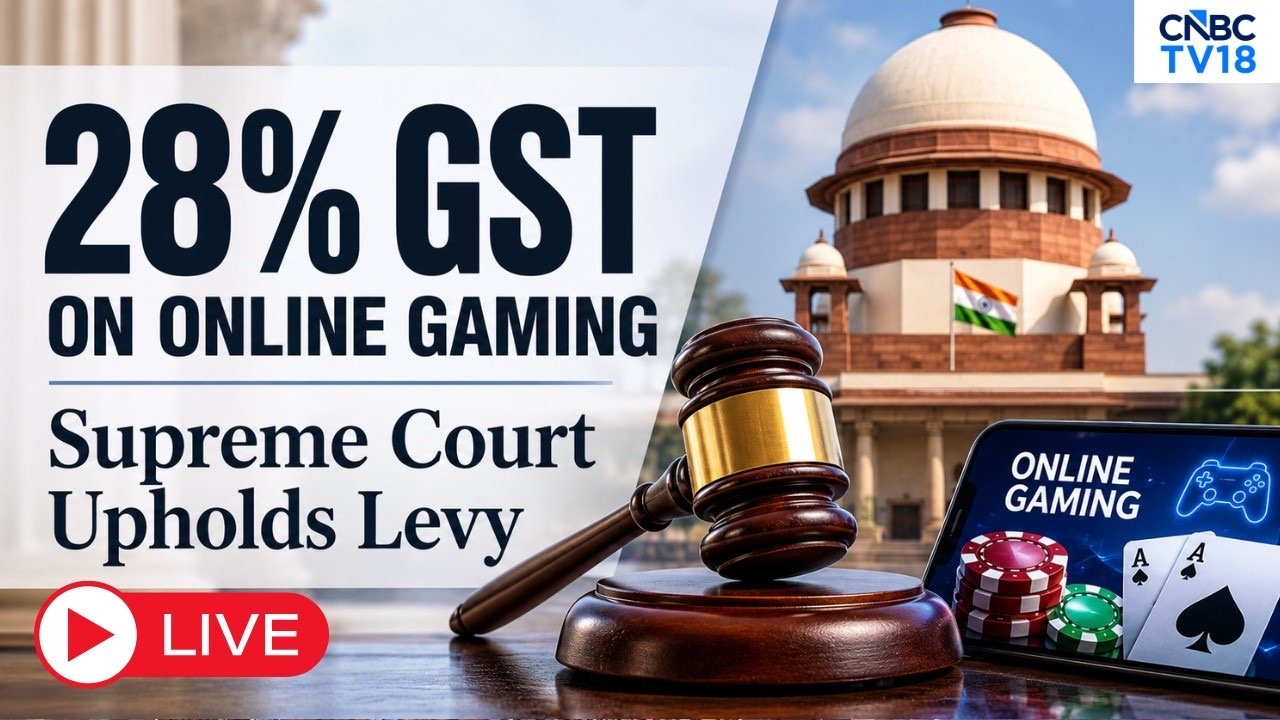
- A GST story decides whether a product can be offered in a state.
- A YouTube explainer, influencer post, or app-store description is enough to prove compliance.
- One product status applies to every game operated by the same company.
How Rummy.news will use this checklist
For future rummy and online-gaming stories, Rummy.news will treat registration and determination as source-specific claims. When a public record is missing, the article should say that clearly instead of filling the gap with platform language.
This is especially important on thin-news days, when evergreen source-check pieces are safer than speculative breaking stories.
Read this with India Online Gaming Legal Tracker: July 2026, What Counts as an Online Money Game Under Indian Law?, and India Rummy Law.
Disclaimer: This article is for news and general information only and is not legal, tax, financial, or investment advice.
FAQ
Does registration mean a game is legal for every user in every state?
No. Registration, state law, payment rules, GST treatment, and user eligibility are different questions.
Can a money game be registered as an e-sport?
PIB’s official explainer says an online money game is not eligible for recognition or registration as an e-sport.
What should readers ask when a platform claims compliance?
Ask for the exact order, certificate, public register entry, source date, game scope, and product-specific status.