 Rummy.news Editorial Desk
Gameskraft became one of the most closely watched names in India’s online gaming tax debate because its GST dispute raised a question that affects the entire sector: how should online gaming transactions be taxed?
For rummy operators, the case matters because it is tied to the economics of real-money gaming, the treatment of player deposits, and the government’s approach to retrospective tax demands.
What is the dispute about?
The central issue is whether online gaming companies should pay GST on the full face value of contest entries or deposits, rather than only on the platform fee or commission retained by the operator.
That difference is enormous. A tax on the full value can be much larger than the company’s actual revenue from the transaction.
Why Gameskraft became a headline case
Gameskraft was associated with one of the largest GST demand disputes in the online gaming sector. The case became a reference point for other companies because it tested how tax authorities viewed real-money gaming transactions.
Even readers who do not follow tax litigation closely should understand the broader point: tax law can reshape an entire digital industry when the tax base changes.
Why it matters for rummy
Rummy operators historically argued that skill-based games should be treated differently from gambling or chance-based products. But the GST debate shows that tax authorities may focus on transaction value and statutory definitions rather than only the skill-versus-chance question.
That makes the operating environment more complex. A company can face legal, tax, payment, advertising, and state-law questions at the same time.
What changed after the Supreme Court’s 2026 position
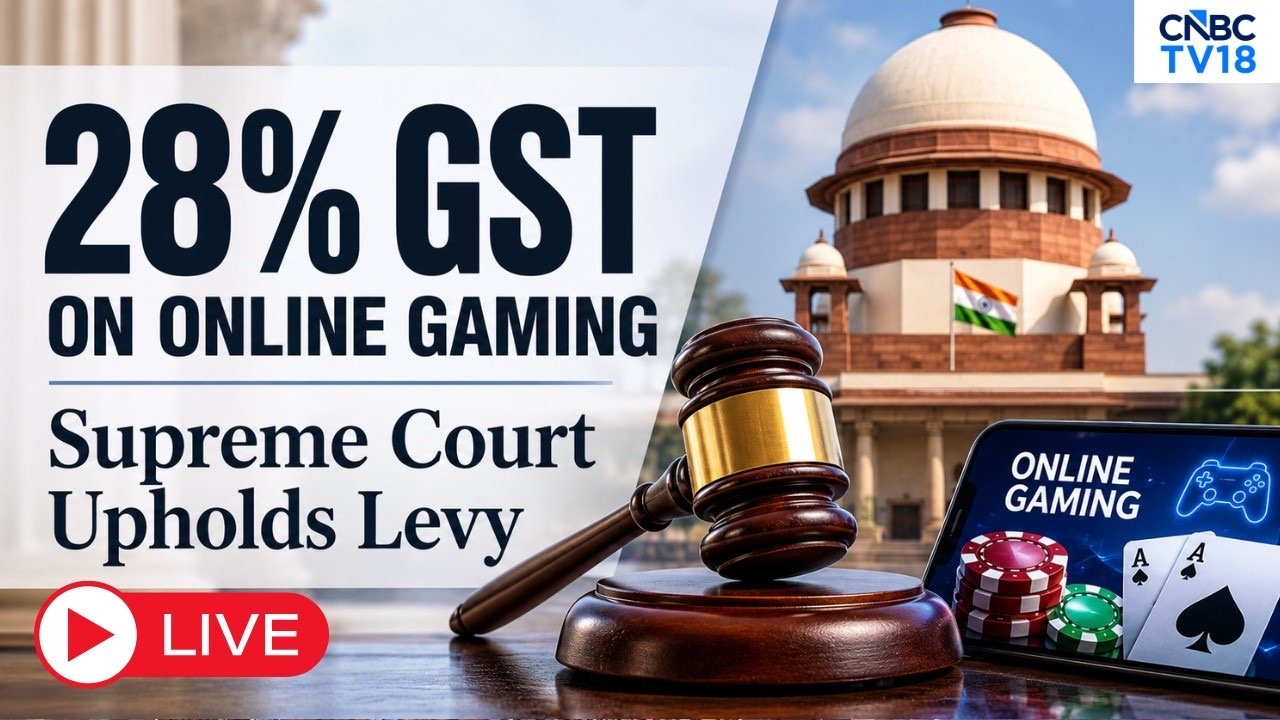
In May 2026, the Supreme Court’s position on retrospective GST demands was reported as a major setback for online gaming companies. The decision increased pressure on operators that were already adapting to stricter national regulation of online money games.
For the industry, this created a combined policy shock: tighter gaming regulation plus heavier tax risk.
What to watch next
Rummy.news should track:
- Updates in GST demand proceedings.
- Company restructuring or product pivots.
- Investor reactions to tax exposure.
- Any legislative or GST Council clarification.
- Whether more companies exit money-game formats.
Bottom line
The Gameskraft GST dispute is not just about one company. It is a symbol of the tax and regulatory pressure facing India’s real-money gaming sector. For rummy operators, it is a reminder that business models must now be designed around compliance resilience, not only user growth.
Disclaimer: This article is for news and general information only and is not legal, tax, or financial advice.
FAQ
Why is the Gameskraft GST case important?
It became a major reference point for how Indian tax authorities may treat online gaming transaction value.
Does the case apply only to Gameskraft?
The facts are company-specific, but the broader tax questions affect many real-money gaming operators.
Why should rummy readers care?
Because GST treatment can determine whether a real-money rummy business model is commercially viable.
Sources
- Supreme Court of India: https://www.sci.gov.in/
- GST Council Notification 49/2023-Central Tax: https://gstcouncil.gov.in/node/4404
- Mint: https://www.livemint.com/
- Bar & Bench GST coverage: https://www.barandbench.com/news/litigation/supreme-court-upholds-28-gst-levy-on-online-gaming-bets-says-skill-chance-irrelevant-if-money-staked