 Rummy.news Editorial Desk
Online rummy in India is no longer a simple “game of skill” story. In 2026, the legal position depends on the product design, whether money is involved, state-level restrictions, taxation, advertising, and the new national framework for online gaming.
For readers, the most important distinction is between casual or social rummy and online money games. A free-to-play rummy product may be treated very differently from a game where a user deposits money, enters paid contests, or expects monetary winnings.
What changed?
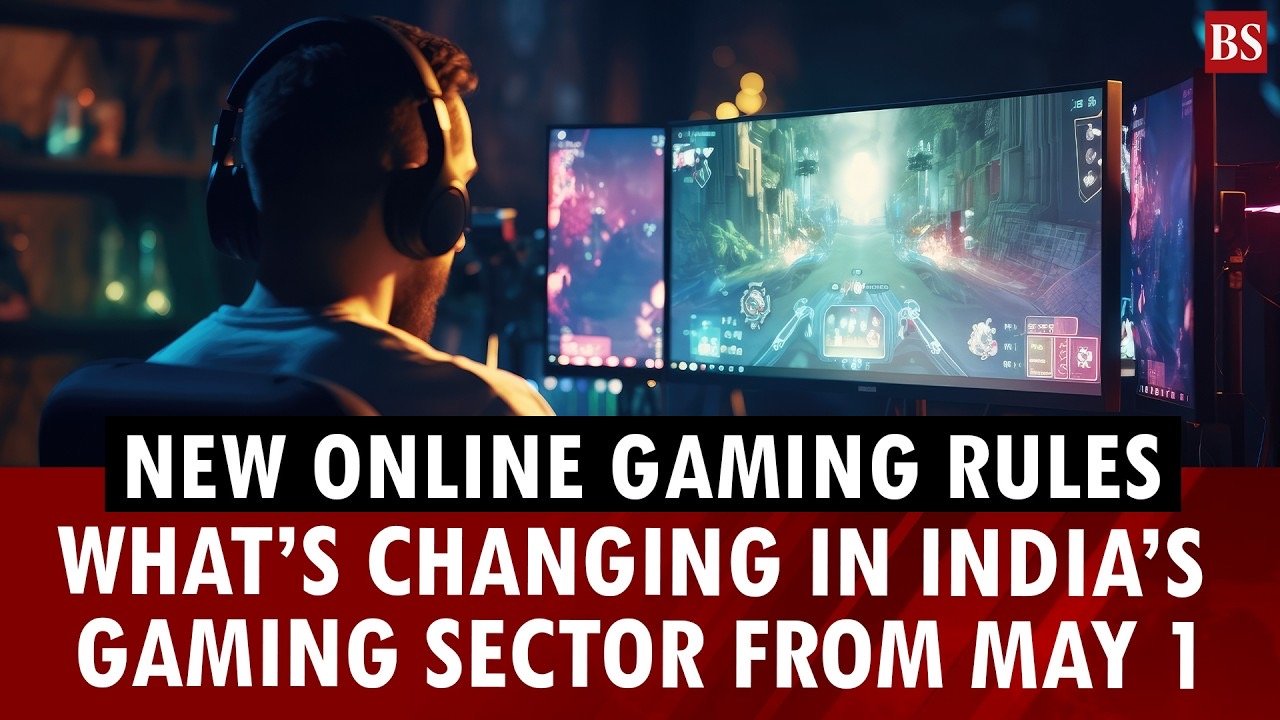
India’s online gaming environment tightened sharply after the Promotion and Regulation of Online Gaming Act, 2025. The Act created a national framework for online gaming and placed special emphasis on online money games, related advertising, and financial transactions.
That means older legal debates about skill versus chance still matter, but they are no longer the only lens. A rummy operator also has to consider whether the product falls into a restricted money-game category, whether advertising is permitted, whether payment flows are legal, and whether state-level law adds more restrictions.
Is rummy still considered a skill game?
Indian courts have historically treated rummy as a game where skill can play a significant role. But a skill classification does not automatically make every online rummy business model safe in 2026.
The current risk turns on how the product is offered. If a platform involves stakes, deposits, winnings, or prize money, it can face a different regulatory analysis from a casual game or editorial product.
Why state laws still matter
India’s gaming regulation has always involved a mix of national and state-level rules. Some states have taken stricter positions on online real-money gaming, while others have changed their approach over time.
For readers, this means broad claims such as “online rummy is legal everywhere in India” are not reliable. A safer formulation is that legality depends on the game format, money involvement, user location, applicable state law, and current central rules.
What about GST?
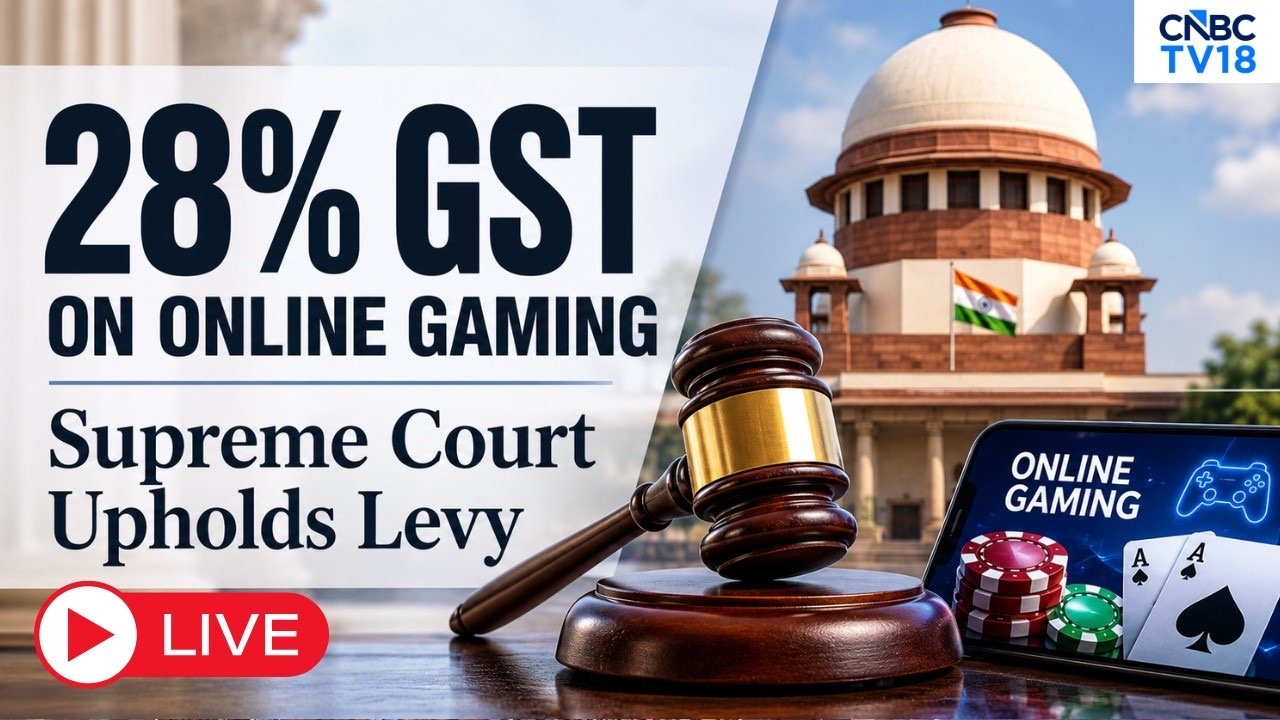
Taxation is another major issue. India’s 28% GST framework for online gaming has become one of the biggest business risks for operators. In 2026, the Supreme Court’s decision to uphold retrospective tax demands intensified pressure on gaming companies and made tax exposure a front-page industry issue.
GST does not decide whether a game is legal for users, but it strongly affects whether operators can continue certain business models.
What readers should watch next
The key questions for 2026 are:
- How the central government implements the online gaming law.
- Whether operators move away from money-game formats.
- How state governments respond.
- How GST disputes affect company balance sheets.
- Whether social gaming, esports, and non-money rummy formats gain market share.
Bottom line
Online rummy in India is best understood as a regulated, high-scrutiny sector. Casual rummy content and industry news are different from real-money gaming operations. Readers should be cautious of any website that claims universal legality or promotes cash games without explaining the regulatory risk.
Disclaimer: This article is for news and general information only and is not legal, tax, or financial advice.
FAQ
Is online rummy legal everywhere in India?
No. The answer depends on the product format, money involvement, user location, state law, and central regulation.
Is free online rummy treated the same as cash rummy?
Usually no. Free-to-play or social formats can raise different legal issues from games involving deposits, stakes, or winnings.
Does skill-game status remove all regulatory risk?
No. Skill classification is only one part of the analysis. Money flows, advertising, tax, state restrictions, and national regulation also matter.
Sources
- India Code, Promotion and Regulation of Online Gaming Act, 2025: https://www.indiacode.nic.in/
- Ministry of Electronics and Information Technology: https://www.meity.gov.in/
- Supreme Court of India: https://www.sci.gov.in/